
Generative Ai Applications In Software Engineering
The rise of Generative AI is changing how software engineers build, test, and maintain software. These advanced models, like ChatGPT and GitHub Copilot, do more than automate simple tasks—they help create code, design systems, and even predict bugs. For many teams, generative AI means faster development, fewer errors, and new ways to solve old problems.
How Generative Ai Transforms Software Engineering
Automated Code Generation
One of the most popular uses of generative AI is code generation. Tools like GitHub Copilot can suggest code as you type, complete functions, or even write full modules from a simple prompt. For example, Copilot can generate a Python function from a comment, which saves time and reduces repetitive work.
A recent study found that developers using AI code assistants were 55% faster at completing tasks compared to those without. But beginners often miss that AI suggestions are not always perfect—engineers must still review and understand the code before using it.
Intelligent Bug Detection
Generative AI models can analyze code and find bugs before they reach production. Unlike rule-based tools, these models understand code context and can spot subtle issues. DeepCode and Amazon CodeGuru use machine learning to suggest fixes and detect security risks.
A hidden benefit is that AI tools can explain why a bug happens, making it easier for junior developers to learn. However, over-relying on AI can make teams too passive, so regular code reviews are still necessary.
Automated Documentation
Writing documentation is often seen as boring. Generative AI can turn code into clear documentation by describing functions, APIs, or entire systems. For example, OpenAI Codex can generate docstrings for Python code or create user guides from codebases.
A common mistake is trusting all generated documentation—always review for technical accuracy, as AI sometimes invents details.
Software Design Assistance
Generative AI helps design software by suggesting architectures and creating UML diagrams. Given requirements, AI tools can recommend patterns or generate sample diagrams, speeding up the design phase and helping new engineers understand complex systems.
Test Case Generation
Testing is key in software engineering. Generative AI can automatically create unit tests and integration tests, increasing code coverage and catching bugs early. For instance, Diffblue Cover writes Java tests, while AI tools for JavaScript or Python can analyze code behavior and suggest edge cases.
Code Refactoring
Refactoring means improving code without changing its behavior. AI can suggest better variable names, split large functions, or modernize code to follow best practices. This keeps code clean and maintainable, especially in large projects.
Comparison Of Generative Ai Tools
Here’s how some popular AI tools stack up for software engineers:
| Tool | Main Use | Supported Languages |
|---|---|---|
| GitHub Copilot | Code generation | Python, JavaScript, more |
| Amazon CodeGuru | Bug detection | Java, Python |
| OpenAI Codex | Documentation | Many languages |
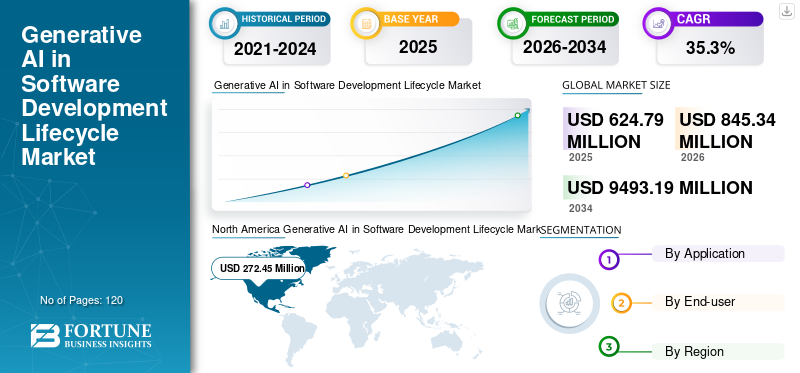
Credit: www.fortunebusinessinsights.com
Real-world Impact
The adoption of generative AI in software engineering is growing fast. According to Gartner, by 2025, 80% of software engineering projects will use generative AI in some way. Companies see faster releases and fewer bugs, but also need to train teams to use AI responsibly.
Advantages And Limitations
| Advantages | Limitations |
|---|---|
| Faster coding | Possible code errors |
| Improved documentation | Over-reliance risk |
| Better bug detection | Security/privacy concerns |
Many engineers forget to check AI-generated code for security flaws. Also, not all models support every programming language or framework yet.

Credit: iot-now.com
Tips For Using Generative Ai In Software Engineering
- Review AI suggestions before accepting them.
- Use AI for repetitive tasks, but keep critical logic manual.
- Always update your knowledge, as AI tools improve quickly.
- Combine AI with regular code reviews for best results.
For deeper insight into how these tools work, you can read more at Wikipedia: Generative Artificial Intelligence.
Frequently Asked Questions
What Is Generative Ai In Software Engineering?
Generative AI refers to models that create new code, tests, or documentation by learning from large datasets, helping developers build software faster and smarter.
Is Ai-generated Code Safe To Use?
Most of the time, yes, but always review and test AI-generated code. Sometimes, AI makes mistakes or misses edge cases.
Can Ai Replace Human Software Engineers?
No, AI is a helpful tool but cannot replace human creativity, judgment, or experience. It works best as a partner, not a substitute.
Which Programming Languages Work With Ai Tools?
Most popular languages like Python, JavaScript, and Java are supported, but check the tool’s documentation for full lists.
How Can I Start Using Generative Ai In My Workflow?
Try integrating tools like GitHub Copilot or Amazon CodeGuru into your code editor. Start small, review the suggestions, and gradually use more features as you gain confidence.
Generative AI is changing software engineering for the better. By using these tools wisely, developers can write better code, faster—while learning and growing alongside the technology.

Credit: www.ishatrainingsolutions.org





 Posts
Posts


0 Comments